

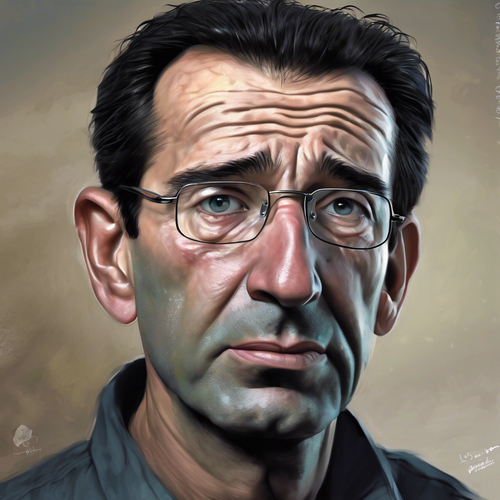
Unearthing Mourning: Daniel Pearl’s Father Challenges Pakistan’s Military
When the world learned of the tragic fate of Wall Street Journal journalist Daniel Pearl in 2002, it ignited outrage far beyond the borders of Pakistan. Now, over two decades later, Pearl’s father, Judea Pearl, has turned the lens back toward Pakistan, confronting the nation’s military establishment with a poignant question: “What exactly are you mourning?” This inquiry not only reflects unresolved grief but also sheds light on the broader implications of press freedom, accountability, and the enigma surrounding Pearl’s legacy. 📖
Judea Pearl’s plea is not merely an expression of paternal loss; it is an indictment of a system that appears to mourn selectively, particularly in the context of Pakistan’s tumultuous relationship with journalism and dissent. To understand this situation, we must delve into the complexities surrounding the assassination of a man whose only crime was seeking the truth.
A Legacy of Valor
Daniel Pearl, known for his fearless reporting and dedication to uncovering stories in perilous environments, was kidnapped and murdered by extremist groups, with a video of his death circulating globally. His final desperate plea for life struck a chord internationally, raising alarm over the increasing dangers journalists face while working in hostile territories. 📉
Experts have estimated that hundreds of journalists have been killed in the line of duty since the turn of the millennium. The Committee to Protect Journalists reported that nearly 1,300 journalists have been lost globally to violence or imprisonment, making Pearl’s case emblematic of a larger war on press freedom. As Judea Pearl articulates his father’s legacy, he invokes not only personal sorrow but also collective outrage over continued assaults on journalism.
Patterns of Mourning
In his recent statements, Judea Pearl highlighted the hypocrisy of Pakistan’s military establishment, which often expresses condolences for the loss of life in its ranks, yet fails to acknowledge the broader human cost inflicted by terrorism and intolerance. “What are they mourning? Their reputations? The lives taken in pursuit of power and control?” he asks, challenging the narrative that glosses over painful truths.
This sentiment echoes the views of many human rights advocates, who argue that a genuine mourning should encompass all victims of violence, including journalists and civilians. The selective remembrance of loss raises grave concerns about accountability and the rule of law in a nation grappling with a history of impunity. The concerning patterns reflect an uncomfortable tension between national security and the free flow of information. 🔍
The Broader Implications
The current climate for journalists in Pakistan remains precarious. Acts of intimidation, censorship, and violence continue to permeate the field, stifling the voices that narrate crucial stories. The United Nations Educational, Scientific and Cultural Organization (UNESCO) reported that 93 journalists were killed in Pakistan between 1992 and 2021, and many cases remain unresolved. Such statistics paint a bleak picture of the media landscape in the country. 📊
The Call for Justice
Judea Pearl’s inquiry opens the floor for dialogues about justice and legacy. “To mourn someone is to advocate for their legacy—justice for all victims of violence,” he posits. This perspective calls for accountability from both the Pakistani government and the military, urging them to recognize their role in protecting journalists and promoting press freedom.
“The real measure of mourning lies not in words, but in actions taken to prevent future tragedies,” Judea Pearl reminded the audience during a recent talk, reinforcing his commitment to advocating for those who can no longer advocate for themselves.
A Search for Truth
In a world where truth is often overshadowed by propaganda, Judea Pearl’s confrontation with the Pakistani military serves as a beacon for a quest that every journalist undertakes. To seek truth is to embrace vulnerability, and often, it requires unfathomable courage. The ongoing struggle for press freedom and justice cannot merely rest in reflective mourning; it must translate into tangible actions—legislation that protects journalists, public outcry against injustices, and a firm commitment to uphold human rights. 🕊️
As the world grapples with the implications of Judea Pearl’s poignant question, the legacy of his son must serve as both a reminder and a rallying cry. While the shadows of loss loom large, the advocacy for justice and truth must endure, shaping a future where journalists are no longer treated as collateral damage in an ongoing battle for control and narratives.
Do you think Daniel Pearls legacy challenges Pakistans military enough? Is there more to uncover? Lets discuss!
I wonder if challenging Pakistans military is the right approach for honoring Daniel Pearls legacy. What do you all think?
Do you think Daniel Pearls fathers challenge to Pakistans military will lead to real change or just symbolic gestures? #DebateTime
Wow, the discussion on challenging Pakistans military in Daniel Pearls legacy is intense! What do you think about the broader implications raised in the article?
What if Daniel Pearls legacy challenges more than just Pakistans military? Could it spark broader changes? Lets discuss!
Daniel Pearls legacy challenges global journalism ethics, not just Pakistans military. Its a call for accountability worldwide.
Do you think Daniel Pearls legacy truly challenges Pakistans military? Share your thoughts on this complex issue. #Discuss #OpinionsWelcome
Do you think Daniel Pearls legacy can truly challenge Pakistans military? Im intrigued by the broader implications discussed in the article.
Do you think Daniel Pearls legacy truly challenges Pakistans military? Im curious to hear your thoughts on this complex issue.
Wow, the discussion on Daniel Pearls legacy and challenging Pakistans military is intense! What do you think about the broader implications raised in the article?