
A Clash of Perspectives: The Wall Street Journal vs. Jake Tapper
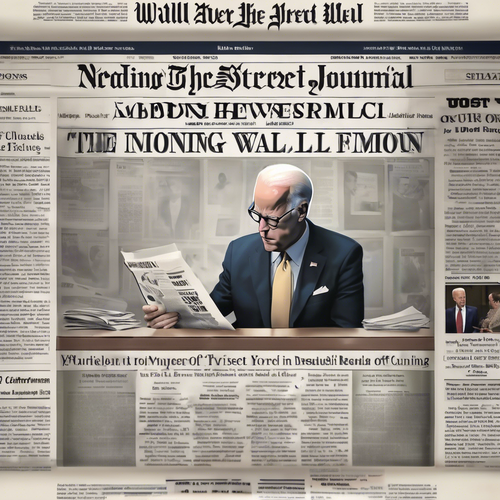
In an unexpected twist that has sent ripples through the corridors of journalism, the Wall Street Journal has publicly taken issue with CNN’s Jake Tapper for his unsparing comments about their coverage on President Biden’s declining approval ratings. This clash is not merely a spat between two media entities; it represents a larger commentary on the evolving landscape of political narratives and media integrity. 📉
At the center of the controversy is a recent article from the Wall Street Journal that meticulously charts President Biden’s fall in approval ratings amidst economic challenges and geopolitical strife. The piece delves into polling data, with numbers from reputable sources showing that Biden’s ratings hover at an all-time low, with only 39% of Americans approving of his performance as of October 2023. These figures have fostered an atmosphere of skepticism regarding his ability to secure a second term in office. 📊
The Outspoken Critique
However, Tapper, in an episode of his program, dismissed the Journal’s findings as “sensationalist” and characterized the publication as part of a broader trend of right-leaning media attempting to undermine Biden’s presidency. His comments have sparked outrage among journalists who view such disparagement as a significant overreach, undermining the fundamental tenets of journalistic integrity—the obligation to report the truth, regardless of perceived political bias.
“It is vital to remember that good journalism arises from the pursuit of facts, not the spinning of narratives,” remarked Laura Mitchell, a media ethics expert. “Criticism of the media should focus on accuracy, not ideological alignment.” 📚
Understanding the Implications
This feud is emblematic of the increasing polarization within the media landscape. As political divisions in the U.S. deepen, media outlets are often forced to navigate treacherous waters. Journalists are faced with the challenge of not only reporting facts but also countering narratives that paint them as biased or misleading. Tapper’s comments could be viewed as a defense of journalistic ethos, albeit delivered in a manner that many found disrespectful to the Wall Street Journal’s editorial integrity.
#MediaBias and the Audience’s Trust
What’s more, Tapper’s remarks highlight a critical question: To what extent does perceived media bias impact public trust? Numerous studies suggest that 62% of Americans believe the media engages in partisanship. For many, Tapper’s dismissal further feeds the narrative that political affiliations dictate media coverage, complicating the audience’s ability to discern truth from bias. 🔍
The Road Ahead for Political Reporting
As journalists and media outlets contend with such challenges, a broader discussion emerges regarding the balance of accountability and freedom of expression. Innovative approaches to reporting that embrace transparency in methodology and sourcing may bridge the divides created by partisan critiques. Rather than leveraging their platforms for partisan gain, media entities have an opportunity to reshape the dialogue surrounding political discourse.
While Tapper may have sought to defend journalistic integrity, the Wall Street Journal stands firm in its reporting, reminding audiences of the importance of fact-based journalism in an era dominated by sensational claims. In assessing the world of political reporting, the imperative for truth remains paramount. As the political landscape continues to shift, so too must the media’s approach to ensuring that it remains an impartial arbiter committed to revealing the nuances behind the headlines. 🗞️
Conclusion: A Call for Responsible Journalism
The unfolding drama between Tapper and the Wall Street Journal serves as a timely and essential reminder that in an era of heightened scrutiny, the media must strive for accountability and consistency. As consumers of news, it is crucial for the public to rigorously examine varied perspectives and demand higher standards from all corners of the media business. This approach will ultimately contribute to a more informed electorate and a healthier democracy. 🌍
I cant believe the bias in media coverage! Who do you trust more: Wall Street Journal or Jake Tapper? Lets discuss! 🤔
Is it just me, or is the media bias debate getting more intense? Who do you think comes out on top in this showdown? Lets discuss!