

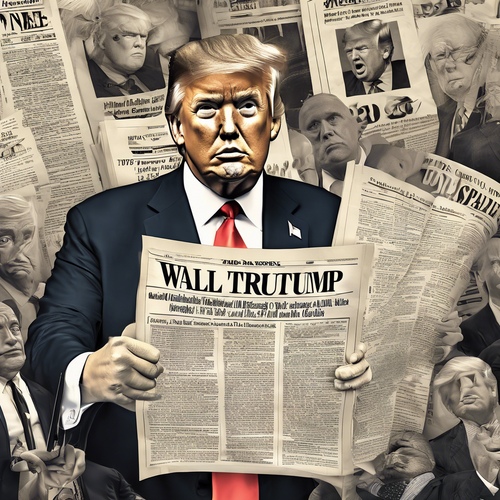
Wall Street Journal Hits Trump With The Harsh Truth About His ‘Golden Age’ Boast
When Donald Trump declared the U.S. was experiencing a ‘Golden Age,’ many celebrated what they viewed as a triumphant assertion of robust economic leadership. Yet, the Wall Street Journal has recently offered a sobering counterpoint, lifting the veil on the complicated economic data behind the claim. 🧐
The piece scrutinizes the major pillars of Trump’s economic narrative, drawing attention to the disparity between boastful proclamations and economic realities, as evidenced by a litany of statistical insights. From GDP growth to unemployment rates and inflation patterns, the critique paints a detailed picture that challenges the notion of an unblemished economic golden era.
Narrative vs. Reality: Economic Performance Under the Microscope
To contextualize Trump’s golden age assertion, let’s first examine the economic metrics under his presidency:
- GDP Growth: While Trump heralded significant yearly GDP growth, with figures soaring over 3% in 2018, this surge followed a trend solidified by the previous administration. Economic growth is often a continuation of longer-term policies, not merely the result of his term.
- Unemployment Rates: The unemployment rate fell to record lows during Trump’s tenure, but many analysts argue that this was the culmination of a recovery process initiated years before. Moreover, the COVID-19 pandemic revealed severe vulnerabilities to the job market, reversing those gains dramatically.
- Stock Market Performance: Although the stock market boomed, peaking in February 2020 just before the pandemic struck, the highs must be assessed through the lens of accessibility and inequality. Capital gains tend to benefit the wealthy disproportionately, raising questions about the true impact on average American families.
- Inflation Issues: Inflation rates remained relatively stable, but early signs of instability emerged with tariff wars, specifically with China. The repercussions of these policies later contributed to inflationary pressures that peaked post-presidency, forcing consumers to confront rising costs and eroding purchasing power.
The Discrepancies in Data: A Closer Look
The Wall Street Journal’s analysis delves into the discrepancies that many proponents of Trump’s legacy often overlook. Critical to understanding the broader economic landscape are the following factors:
- Increased Debt: Despite tax cuts proposed as stimulative, the federal debt skyrocketed during Trump’s presidency, raising concerns regarding long-term economic sustainability.
- Income Inequality: Wage stagnation persisted for many American workers, with economic benefits from tax cuts primarily enriching the upper echelons of society, leaving the working and middle classes to grapple with stagnant wages. This has fueled a narrative of disillusionment, as many Americans question why they haven’t felt the same economic relief.
- COVID-19 Response: The pandemic underscores the volatility hidden beneath the rosy rhetoric. Trump’s policies regarding healthcare and economic recovery have faced intense scrutiny, particularly regarding unemployment aid and economic stimulus.
- Trade Wars and Tariffs: Tariffs imposed during trade negotiations had far-reaching consequences, impacting consumer prices and creating market uncertainty. These actions led to retaliatory measures that arguably destabilized some sectors of the economy.
Public Perception: Boast vs. Truth
The gap between Trump’s celebratory rhetoric and the on-the-ground challenges facing everyday Americans poses significant questions about how economic successes are quantified and understood. The public reaction is not merely a reflection of numbers; it’s deeply intertwined with lived experiences.
“When Boasting Meets Reality,” the Wall Street Journal aptly asserts, “one must sift through the data to see how gilded the claims truly are.” 📉
Reassessing Leadership: What Lies Ahead?
As Trump prepares for potential future political endeavors, the challenge for voters will be discerning rhetoric from realism. The Wall Street Journal’s critique serves as a timely reminder: evaluating economic claims requires a nuanced approach, considering both data and lived experiences.
The road ahead may be plagued by continued economic uncertainty, particularly as the aftershocks of COVID-19 reverberate. The upcoming elections will undoubtedly require candidates to grapple with both the successes and failures of past leadership, making facts paramount in navigating future policy discussions. 🏛️
Can Trumps economic claims withstand scrutiny? Wall Street Journal analysis reveals discrepancies. Lets discuss the real facts!
Wow, the Wall Street Journal really tore into Trumps economic claims. Who do you think is telling the truth? Lets discuss!
Wow, the Wall Street Journal really gave Trump a reality check! Cant ignore the hard truth about his economic claims. #TruthHurts